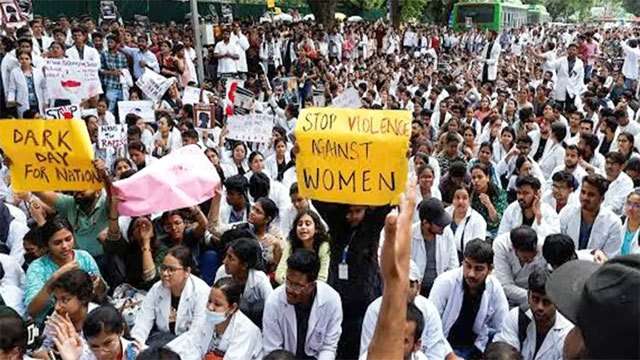







The Foreign Office advises tourists to stay away from demonstrations as there has been an increase in anti-Western rhetoric in Sri Lanka. The advisory states,
“Travellers should note that the end of the military conflict in May 2009 has seen an upsurge of nationalism in Sri Lanka. As a result, anti-Western (particularly anti-British) rhetoric has increased. This has led to violent protests against the British High Commission and other diplomatic premises. Although no protests have so far been directed at the British community more generally, you should be vigilant and avoid demonstrations.”
Furthermore, the advisory warns against sexual offences and points to an upsurge in sexual offences against minors. While stating that there is no particular trend towards crimes against foreigners the advisory however highlights the death of a British National in an altercation in December 2011.
“Violent crimes against foreigners are relatively infrequent, although there have been an increasing number of reports of sexual offences including on minors. When travelling around Sri Lanka, you should make arrangements through reputable travel companies and exercise appropriate caution. Women should take particular care when travelling alone, or in small groups, and carry personal alarms. ”
Travel Summary
- From 1 January 2012, British nationals require a visa for trips to Sri Lanka. The Government of Sri Lanka launched an online visa scheme, the Electronic Travel Authority (ETA), to replace the existing procedure of granting visas on arrival. The ETA was introduced from 1 October on a trial basis and became mandatory from 1 January 2012. See Entry Requirements - Visas.
- The Government of Sri Lanka has announced that foreign nationals, with the exception of foreign media crews, no longer need to have permission from the Sri Lankan Ministry of Defence before travelling to the northern districts of Jaffna, Kilinochchi, Mannar, Mullaittivu and Vavuniya. See Safety and Security - Local Travel - North.
- Political rallies in Sri Lanka have on occasion turned violent. British nationals should avoid any political gatherings or rallies and beware of spontaneous large gatherings.
- There is an underlying threat from terrorism in Sri Lanka. Although the LTTE or “Tamil Tigers” suffered a military defeat in May 2009, the Government maintains extensive anti-terrorism powers and increased security measures including checkpoints. A highly visible military presence remains throughout the country. See Safety and Security - Terrorism.
- Extensive military operations are still ongoing, clearing minefields, unexploded ordnance and locating LTTE weapon caches (hides). Always obey orders from the security forces or signs warning about the danger from land-mines. Do not venture from the roads or cleared footpaths and if in any doubt, contact the local security authorities for local advice.
- The majority of visits to Sri Lanka are incident free, although there are an increasing number of incidents of credit card fraud, road accidents and drownings. See Safety and Security - Crime, Safety and Security - Local Travel - Road Travel, Safety and Security - Local Travel - Sea Travel , Health and General - Consular Assistance Statistics.
- You should get comprehensive travel and medical insurance before travelling. See General - Insurance. British nationals resident and/or working in Sri Lanka, or visiting for over one month, should register with the British High Commission in Colombo.
Safety and Security - Terrorism
There is an underlying threat from terrorism in Sri Lanka. Attacks could be indiscriminate, including in places frequented by expatriate and foreign travellers. See ourTerrorism Abroad page.
The military conflict between the Government and the Liberation Tigers of Tamil Eelam (LTTE, commonly known as “the Tamil Tigers”) ended in May 2009. The last reported terrorist incident was on 4 July 2009 in Kirankulam near Batticolua when an LTTE cadre was wounded during a skirmish with security forces. The Sri Lankan Government announced that the State of Emergency was no longer required on 25 August 2011 and the Emergency Regulations were subsequently removed on 30 August. However other pieces of legislation have been amended to replace some of the powers. There remains a heightened level of security (e.g. checkpoints, road blocks) throughout the country. You should exercise a high level of vigilance. The risk for the most part is one of being caught in the wrong place at the wrong time. In order to minimise this, you should avoid military, government and paramilitary locations. Always carry formal photographic identification with you. Stop and show your ID when asked to do so. The Sri Lankan Prevention of Terrorism Act permits prolonged detention without charge or trial. If you are detained, you should ask the authorities to contact the British High Commission.
Safety and Security - Crime
Credit card fraud is the most common type of crime affecting visitors. It is advisable to use cash wherever possible and to use ATMs attached to banks or major hotels. Do not let your credit card leave your sight when you use it. Some travellers experience problems using their credit / debit cards on arrival in Sri Lanka when their banks’ automated fraud protection system blocks transactions. It may be useful to inform your bank in advance of your intended travel arrangements. If your card is blocked, you will need to contact your bank to re-activate it. There are plenty of money-changers in tourist areas if you want to change cash.
Violent crimes against foreigners are relatively infrequent, although there have been an increasing number of reports of sexual offences including on minors. When travelling around Sri Lanka, you should make arrangements through reputable travel companies and exercise appropriate caution. Women should take particular care when travelling alone, or in small groups, and carry personal alarms. See our Rape and Sexual Assault Abroad page.
There have been reports of thefts from hotels and guesthouses. You should take precautions to safeguard your valuables, especially passports and money.
Organised and armed gangs are known to operate in Sri Lanka and have been responsible for targeted kidnappings and violence. While there is no evidence to suggest that British nationals are at particular risk, gangs have been known to frequent tourist areas. Although incidents involving tourists are rare, a British national was killed during a violent attack by a gang in a tourist resort in December 2011.
Disputes between market traders and street hawkers can sometimes become violent. On 24 June 2010, an explosive device injured a number of people following a dispute in Pettah, Colombo.
See our Victims of Crime Abroad page.
Safety and Security - Local Travel
Safety and Security - Local Travel - North
The Government of Sri Lanka has announced that foreign nationals travelling to the northern districts of Jaffna, Kilinochchi, Mullaittivu, Mannar and Vavuniya no longer need to obtain permission from the Sri Lankan Ministry of Defence. However foreign media crews will still require prior permission to travel to these districts. Travellers to the north may still encounter access restrictions around military establishments and areas where demining operations continue. Should you wish to enquire about the accessibility of a particular village or area, contact the Sri Lankan Military Liaison Officer on +94 11 2430 860.
Safety and Security - Local Travel - Jaffna Peninsula
There is free movement everywhere outside High Security Zones with a reduction in checkpoints around the Peninsula. Operations to clear mines continue, particularly in the heavily mined area towards Elephant Pass.
Safety and Security - Local Travel - Kilinochchi, Mullaittivu, Mannar and Vavuniya
Although the conflict is over, there is a continued heavy military presence. Freedom of movement is generally possible, although some checkpoints remain (notably Omanthai). There was severe war damage to property throughout the northern region so accommodation options and infrastructure are extremely limited. Some areas were heavily mined, so operations continue to clear minefields. There are signs providing warnings of mined areas but you should exercise caution.
Safety and Security - Local Travel - East
Military led demining, weapons and ordnance clearance and IDP resettlement operations are ongoing in parts of Trincomalee, Batticaloa and Ampara Districts. Always obey orders from the security forces and signs warning about the danger from land-mines. Do not venture from the roads or cleared footpaths and if in any doubt, contact the local security authorities for local advice.
Safety and Security - Local Travel - South
Only “Block One” of Yala National Park (also known as Ruhuna National Park) is accessible to the public. If you plan to visit the park, you should use a reputable tour company.
Safety and Security - Local Travel - Road Travel
Many roads, particularly outside the major towns are in a serious state of disrepair which prevents being able to travel at speed or comfort. But there is considerable investment in the redevelopment of the road infrastructure throughout Sri Lanka. You need an International Driving Permit and a Sri Lankan recognition permit to drive in Sri Lanka. You can obtain a recognition permit at the AA in Colombo. A British licence or an international licence alone will not suffice.
Erratic driving is common and as a result, road accidents are frequent. Pedestrians and animals often appear in the road without warning. Vehicles do not stop at pedestrian crossings. Always wear a seatbelt. Be particularly careful when overtaking and when overtaking vehicles are coming towards you. If you drive, make sure you are comprehensively insured. Driving at night outside Colombo and driving by motorbike are particularly hazardous. If you have a collision, stay at the site of the accident with your vehicle as long as it is safe to do so. If it is not safe or if you feel threatened, report to the local police station.
Security checkpoints and roadblocks are common throughout Sri Lanka. Pay attention when passing through them, and always obey the instructions of the police/army on duty. In particular, stop if asked to do so. There have been cases where security forces have opened fire on vehicles that do not stop when asked. Roads around Government and military sites in Colombo are regularly closed for security reasons (e.g. for VIP convoys), so you should allow extra time for your journey if passing through these areas.
Buses are notorious for driving fast and rarely giving way. They are often poorly maintained. A number of serious bus accidents have been reported over recent years.
Taxis and hire cars are inexpensive in Colombo and tourist areas. Motorised rickshaws (tuk-tuks) are readily available for hire in towns and villages. Agree a price before you travel. Most drivers are respectable, although there have been reports of harassment, particularly of lone female travellers at night. You should exercise caution and change to a different rickshaw if you have any concerns about the driver or standard of driving.
For further information see our Driving Abroad page.
Safety and Security - Local Travel - Sea Travel
Few tourists arrive in Sri Lanka by sea. Entry into Sri Lankan waters, at any point, requires prior permission.
The coastline and adjacent territorial sea of the Trincomalee, Mullaittivu, Jaffna, Kilinochchi and Mannar administrative districts in the north and east have been declared restricted zones by the Sri Lankan authorities and should be avoided.
Many beaches in Sri Lanka have dangerous surf or rip tides at certain times of the year, always take local advice before entering the sea. There are dangerous undercurrents and strong riptides in many coastal areas of Sri Lanka. A number of cases of drowning of foreign nationals have occurred in recent months. You should follow local advice, e.g. from your hotel, before bathing in the sea.
See our River and Sea Safety page.
Although no actual acts of piracy have been reported in the Sri Lankan Economic Exclusive Zone, piracy is a significant threat in the Gulf of Aden and Indian Ocean, especially for shipping which does not take appropriate precautions or follow agreed shipping industry best practice guidelines. For specific advice on piracy in the Indian Ocean, see our Piracy in the Indian Ocean Page
Safety and Security - Political Situation
Political rallies in Sri Lanka have on occasion turned violent in the past. You should avoid any political gathering or rally and be wary of spontaneous large gatherings. Always carry formal photographic identification with you. Detentions do occur, particularly of people of Tamil ethnicity. If you are detained, you should ask the authorities to contact the British High Commission. A curfew has sometimes been declared around elections. You should follow local news closely in case a curfew or other restrictions are announced.
Travellers should note that the end of the military conflict in May 2009 has seen an upsurge of nationalism in Sri Lanka. As a result, anti-Western (particularly anti-British) rhetoric has increased. This has led to violent protests against the British High Commission and other diplomatic premises. Although no protests have so far been directed at the British community more generally, you should be vigilant and avoid demonstrations.
You should avoid military bases and buildings, which were the most frequent target of attacks and which now maintain high security in many districts in the north and east.
Foreign nationals have been detained by the police after taking photographs of buildings or vehicles used by VIPs. These include numerous sites in central Colombo. Use of video and/or photography is prohibited near military bases and government buildings.
You are subject to local laws in Sri Lanka and violating them may result in a jail sentence.
There are severe penalties for all drug offences and crimes related to the abuse of children. In some circumstances detainees can be held without charge, indefinitely and convicted offenders may face lengthy jail sentences.
Same-sex relations are illegal.
Nude or topless sunbathing is generally not allowed.
Although Sri Lankan attitudes to informal European styles of dress are generally relaxed, women travelling alone, especially after dark, may be made to feel uncomfortable if not dressed modestly. You should consider religious and other sensibilities. Do not enter a Buddhist temple wearing headgear or with bare legs or shoulders and always remove footwear. You should avoid posing for photographs standing in front of a statue of Buddha.
You can be fined if you ignore instructions not to smoke or drink in certain public areas.
Security checkpoints are common. You must carry a form of official photographic identification on you at all times.
Alcohol and meat are not usually for sale on religious holidays.
See our Your Trip page.
Entry Requirements - Visas
Visas are required to enter Sri Lanka. As of 1 January 2012, British nationals should obtain short stay visas to Sri Lanka through an online visa application process, the Electronic Travel Authority (ETA), and pay the appropriate processing fee. Further details can be obtained from the ETA official website of the Department of Immigration and Emigration. If you experience any difficulty in accessing the ETA System, you can obtain a visa in person from the Sri Lankan High Commission or by post prior to travel. Further details can also be found on the High Commission’s website.
The ETA System was introduced on a trial basis on 1 October 2011 and became mandatory from 1 January 2012. Prior to this, British nationals received a 30-day visit visa, free of charge, on arrival.
All other visas, including for those undertaking voluntary activity and paid or unpaid work, should be obtained at a Sri Lankan High Commission or Embassy before you travel.
Entry Requirements - Passport validity
You must hold a valid passport to enter Sri Lanka. Your passport must be valid for a minimum period of six months from the date of entry to Sri Lanka.
Entry Requirements – UK Emergency Travel Document (ETD)
UK ETDs are accepted for entry, airside transit and exit from Sri Lanka.
Contact your GP around eight weeks before your trip to check whether you need any vaccinations or other preventive measures. Country specific information and advice is published by the National Travel Health Network and Centre, and useful information about healthcare abroad, including a country-by-country guide of reciprocal health care agreements with the UK, is available from NHS Choices.
Emergency medical treatment in Sri Lanka is not easily available outside main cities, and you may have to be brought to Colombo for treatment. Medical facilities are not always of a standard expected in the UK, particularly outside Colombo. Treatment in private hospitals can be expensive and the options for repatriation to the UK or neighbouring countries in an emergency are limited and very expensive. Make sure you have adequate travel health insurance and accessible funds to cover the cost of any medical treatment abroad and repatriation.
In the 2010 Report on the Global AIDS Epidemic the UNAIDS/WHO Working Group estimated that around 2,800 adults aged 15 or over in Sri Lanka were living with HIV; the prevalence percentage was estimated at less than 0.1% of the adult population compared to the prevalence percentage in adults in the UK of around 0.2%. You should exercise normal precautions to avoid exposure to HIV/AIDS. See our HIV and AIDS page.
If you need emergency medical assistance during your trip, dial 011 2691111 and ask for an ambulance. You should contact your insurance/medical assistance company promptly if you are referred to a medical facility for treatment.
Our Travel Health pages offer further advice on how to stay healthy when overseas.
Monsoon rains can cause brief but swift flooding in many places in Sri Lanka. These floods have caused widespread displacement of people, injuries and occasionally deaths. You should seek advice about travelling conditions during the monsoons.
Severe weather in late January and early February 2011 led to extensive flooding in the central, eastern and northern parts of the country, including the following districts: Nuwara Eliya, Badulla, Matale, Kandy, Anuradhapura, Polonnaruwa, Trincomalee, Batticaloa, Ampara, Vavuniya and the Vanni.
See Sri Lanka’s Disaster Management Centre’s website http://www.dmc.gov.lk/index_english.htm for the latest updates on flooding.
General - Insurance
We recommend that you obtain comprehensive medical insurance before travelling. You should check any exclusions, and that your policy covers you for all the activities you want to undertake. See our Travel Insurancepage.
If things do go wrong when you are overseas then see our When Things Go Wrong page.
General – Purchasing property
Sri Lanka is a popular destination for British nationals wishing to retire overseas or to purchase a holiday home. Despite many British nationals purchasing property without difficulty, the process of buying land or a property has many potential pitfalls. While we hope that the following information is of benefit, please be aware that it is not intended to be the only guidance purchasers follow when considering making a purchase.
In Sri Lanka, the system of land distribution and the displacement of groups and individuals over the years have resulted in many issues over land, including competing claims over the same land. If you are planning to buy a property in Sri Lanka, we advise that you proceed with caution and seek comprehensive advice - including legal advice from a lawyer who is fully independent of anyone else involved in the transaction e.g. the estate agent, vendor and developer. Numerous property owners are now experiencing problems with their property because they did not seek independent legal advice and instead used lawyers and translators recommended by the estate agent/ developer.
British nationals purchasing property in Sri Lanka are strongly recommended to deal only with established and reputable real estate agents, or with other contacts whom they know to be reliable and genuine, and to ensure that all of the documentation regarding the purchase of a property is registered in their name and not that of a third party.
It is in your interests to research all aspects of your prospective purchase thoroughly before entering in to any contracts. You should take at least the same steps to protect your interests as you would do at home, and instruct an experienced, reputable lawyer who is totally independent to act on your behalf and ensure that your interests are adequately safeguarded.
If you have purchased a property/ land and are encountering difficulties, you should seek qualified independent legal advice on your rights and methods of redress. The British Government is not able to offer legal advice on property issues, nor can we become involved in property disputes between private parties.
Although the British Embassy cannot recommend a lawyer, we do have lists of English-speaking lawyersand qualified translators available on our website.
General - Consular Registration
Register with our LOCATE service to tell us when and where you are travelling abroad or where you live abroad so our consular and crisis staff can provide better assistance to you in an emergency. More information about registering with LOCATE can be found here.
General - Consular Assistance Statistics
The majority of visits are incident free, although there are an increasing number of incidents of credit card fraud, road accidents and drownings. 79 British nationals required consular assistance in Sri Lanka in the period 01 April 2011 - 31 March 2012, including for 15 deaths; 17 hospitalisations; 15 and arrests.
General - ID
You must be able to show some form of official identification if requested by the security or police authorities.
General - Money
You cannot change Scottish or Northern Irish bank notes in Sri Lanka. Most major banks will change US dollar travellers’ cheques as well as allow Visa and Mastercard cash withdrawals. There are (ATMs) in major cities but some do not accept international cards. There are an increasing number of incidents of credit card fraud.