
IMF warns Iran war could hurt global economy
March 4, 2026 05:43 am
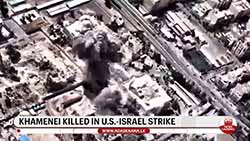
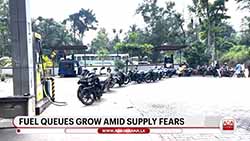
The International Monetary Fund (IMF) has raised concerns over rising energy prices and disruptions to global trade following the escalating conflict in the Middle East, warning that the situation could intensify uncertainties in the global economy.
In a statement published on its website on Tuesday, the Washington-based global financial institution said it is closely monitoring developments in the region as tensions involving the United States, Israel and Iran continue to escalate.
The IMF’s remarks came as the ongoing military confrontation entered its fourth day, raising concerns among policymakers and investors about potential spillover effects on global energy markets, trade flows and financial stability.
According to the Fund, early indications suggest that the crisis is already affecting economic activity, particularly through rising energy prices and increased volatility in financial markets.
“We are closely monitoring developments in the Middle East. So far, we have observed disruptions to trade and economic activity, surges in energy prices, and volatility in financial markets,” the IMF said.
The institution noted that the evolving situation could worsen the already fragile global economic outlook, which has been grappling with persistent inflationary pressures, slowing growth in major economies and geopolitical tensions across several regions.
“The situation remains highly fluid and adds to an already uncertain global economic environment,” the Fund stated, adding that it is still premature to determine the full economic consequences of the conflict.
According to the IMF, the scale of the economic impact will largely depend on how long the conflict lasts and the extent to which it disrupts critical trade routes and global energy supply chains.
The Middle East remains a strategic hub for global oil and gas supplies, and any prolonged conflict involving major regional actors has the potential to trigger significant volatility in international energy markets and increase transportation and insurance costs for global trade.
Analysts have also warned that an extended conflict could push crude oil prices higher, intensify inflationary pressures across many economies and complicate monetary policy decisions for central banks worldwide.
The IMF said a more comprehensive assessment of the potential economic implications of the conflict would be presented in its upcoming edition of the World Economic Outlook scheduled for release in April.
The report is expected to provide updated projections on global growth, inflation and financial stability, taking into account the evolving geopolitical tensions and their potential impact on the world economy.
- Agencies