







Sri Lanka may soon face higher fuel prices due to the rapid increase in global crude oil prices, and such an adjustment should not be delayed until the festive season, according to economic analysts.
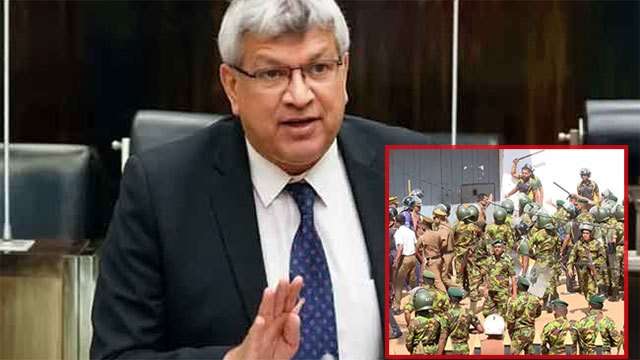
Speaking on the “Ada Derana Big Focus” program today (09), Professor Priyanga Dunusinghe of the Department of Economics at the University of Colombo stated that the government must take prompt steps to prepare for the likely increase in domestic fuel prices given the global trend.
He explained that global crude oil prices have risen sharply, noting that the price of Brent crude stood between US$ 92 and US$ 93 per barrel last Friday, but climbed to around US$ 115 per barrel when markets opened on Monday.
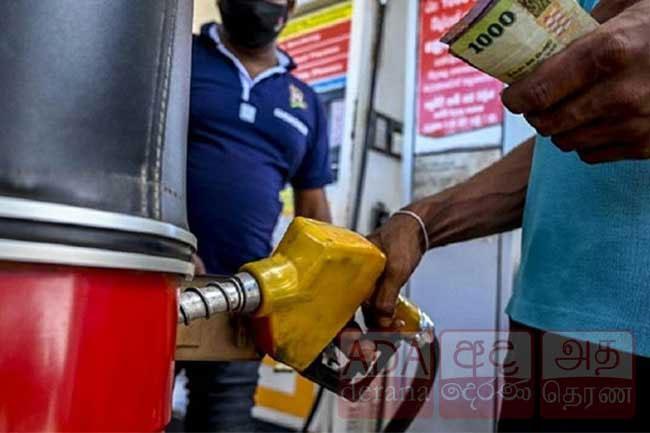
According to Prof. Priyanga Dunusinghe, the increase in global oil prices will likely result in higher prices for petrol, diesel, and gas, while also pushing up electricity generation costs, especially where fuel is used for power production.
Professor Dunusinghe further noted that Octane 92 petrol in Sri Lanka could rise to around Rs. 360–370 per litre if the global trend continues.
He warned that the impact would extend beyond fuel, as higher energy costs typically lead to increases in the prices of goods and services, potentially resulting in rising inflation both globally and locally.
Professor Dunusinghe also pointed out that policymakers have already proposed cost-reflective pricing, meaning domestic fuel prices may be adjusted in line with global market movements.
However, he stressed that policymakers must also consider alternative policy measures alongside price increases to reduce the broader economic impact.
“I do not think the decision should be delayed until the April festive season. If possible, it should be done sooner rather than later,” he said, explaining that gradual adjustments would spread the economic pressure rather than causing a sudden shock to the economy.
He warned that failure to act promptly could lead to serious disruptions in production activities.