






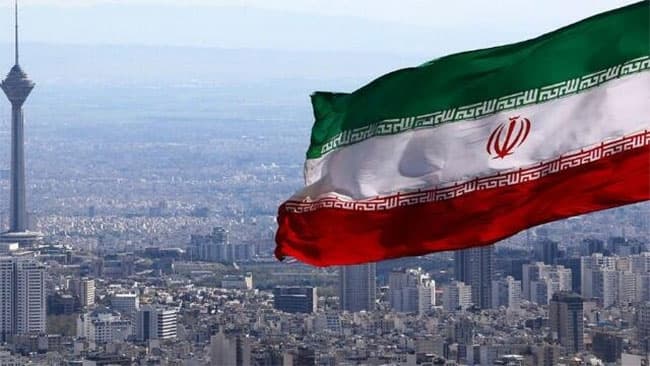



Anwar Gargash, the diplomatic adviser to the president of the United Arab Emirates, has said that any negotiated settlement to the ongoing conflict must include compensation from Iran for damage inflicted on Gulf states. He emphasised that both civilian areas and critical infrastructure have been targeted and must be addressed in any future agreement.
In a statement shared on X, Gargash said, “Any political solution addressing Iranian attacks on Gulf states should include Iranian reparations for targeting vital facilities as well as civilians.” He added that safeguards must also be part of any settlement, noting, “The solutions should include clear guarantees to prevent a repetition of the attacks.”
Gargash further accused Tehran of acting in bad faith prior to the escalation. “Iran deceived its neighbors about its intentions before the war and revealed premeditated aggression despite their sincere efforts to avoid it,” he said.
The remarks came as Iran News 24 reported that UAE has seized $530 billion in Iranian assets, revoking all residency permits including Golden Visas despite the promises of ‘99-year residency’.
Tensions remain high following continued aerial threats as the UAE Ministry of Defence confirmed that its air defence systems were actively responding to incoming missiles, urging residents to stay indoors and rely on official communication channels for updates. No immediate operational details were released.
Earlier, the UAE said it had intercepted a large number of incoming threats in a single day, including 16 ballistic missiles and 42 drones launched from Iran. According to official figures, since the conflict began, Iran has fired hundreds of ballistic missiles and drones toward Emirati territory.
On the Iranian side, government spokesperson Fatemeh Mohajerani maintained that Tehran did not initiate hostilities. Speaking to media, she said the country had endured “significant losses,” including civilian casualties and damage to residential areas and infrastructure. She stressed that compensation should also be part of any future negotiations, indicating that both sides are framing reparations as a central issue.
Mohajerani also pointed to broader demands from Tehran, including discussions around sanctions relief and control of strategic waterways. She reiterated that Iran remains open to diplomacy, describing its position as one seeking a “sustainable peace,” provided its core concerns are addressed.
Meanwhile, diplomatic efforts to reduce tensions are underway. Foreign ministers from Saudi Arabia, Egypt and Turkey have gathered in Pakistan for a two-day summit aimed at de-escalation. The initiative, led by Pakistan, seeks to open channels for dialogue amid rising regional instability.
Pakistan’s Foreign Minister Ishaq Dar held discussions with his counterparts on the sidelines of the meeting and also spoke with Iran’s Foreign Minister Abbas Araghchi. Dar underscored the importance of negotiations, stating that dialogue remains the only viable route to lasting peace.
In a parallel development, Dar announced that Iran had agreed to allow additional Pakistani-flagged vessels to pass through the Strait of Hormuz, a critical global energy corridor. He described the move as a constructive step that could help stabilize the region.
--Agencies