
Philippines declares energy emergency over Middle East conflict risks
March 24, 2026 06:25 pm
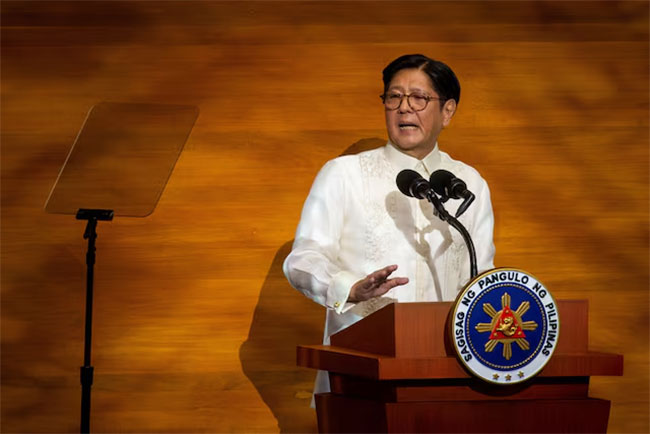
Philippine President Ferdinand Marcos Jr on Tuesday declared a state of national energy emergency in response to the Middle East conflict and what he called an “imminent danger” posed to the country’s energy supply.
Marcos said a committee has been formed to ensure the orderly movement, supply, distribution and availability of fuel, food, medicines, agricultural products and other essential goods.
In an executive order shared with the media, Marcos said the conflict had created uncertainty in global energy markets, severe supply-chain disruption and significant volatility and upward pressure on international oil prices, “thereby posing a threat to the country’s energy security”.
“The declaration of a state of national energy emergency will enable the government...to implement responsive and coordinated measures under existing laws to address the risks posed by disruptions in the global energy supply and the domestic economy,” he said.
EMERGENCY STAYS IN EFFECT FOR A YEAR
The declaration, which will remain in effect for one year, authorises the government to procure fuel and petroleum products to ensure timely and sufficient supply and, if necessary, pay part of the contract amount in advance.
Philippine Energy Secretary Sharon Garin earlier on Tuesday told a news briefing that the country had around 45 days of fuel supply based on current consumption levels.
She said the government was working to procure 1 million barrels of oil from countries within and outside Southeast Asia to build its buffer stock, but there will likely be uncertainties in the next round of orders.
The declaration should enable the government to act more swiftly and bypass usual processes in responding to the fallout from the Middle East conflict, which has pushed up oil prices and upended global markets.
Marcos also directed the finance ministry, in coordination with the Philippine central bank, to closely monitor the impact of the Middle East conflict on the Philippine peso, remittances, including risks of peso depreciation.
Ahead of the executive order, senators probing the government’s preparedness criticised the administration for what they said was a lack of unified and coordinated response to the surge in oil prices, which the economic planning minister warned could fuel inflation to levels not seen in years and weaken economic growth.
Transport workers, commuters and consumer groups are planning a two‑day strike from Thursday to protest the increase in fuel prices and what they describe as the Marcos administration’s failure to act.
Source: Reuters
- Agencies