


India emerging as next major growth market for Swiss watchmakers
May 4, 2026 04:35 pm
Swiss luxury watch brands are opening new retail centres, forging new partnerships and setting ambitious growth targets in India as demand rises among the country’s affluent consumers.
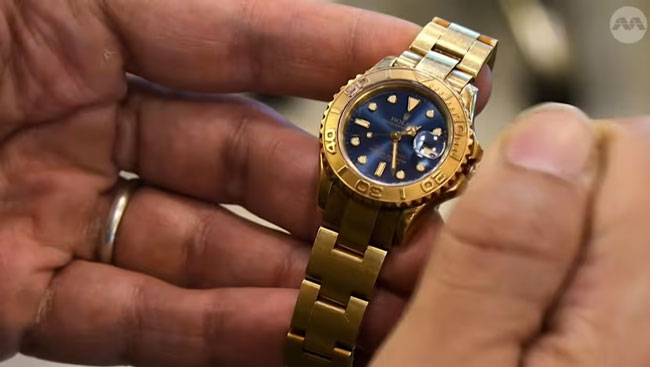
These expensive watches – called timepieces by collectors – are not just seen as utilitarian items, but assets by some and aspirational investments by others.
The shift comes as India’s luxury market matures and becomes more accessible, supported in part by a landmark trade agreement signed last year between India and the European Free Trade Association (EFTA), which includes Switzerland.
GLOBAL BRANDS SETTING UP SHOP
Global brands such as Cartier, Omega and Rolex – once considered out of reach for many Indian consumers – are now seeing growing traction in the Indian market, after spending years chasing growth in places like Shanghai and Hong Kong.
TAG Heuer recently opened its first-ever franchise boutique just outside New Delhi, calling India a “priority country” and aiming to double its business in the world’s most populous nation within five years.
Industry observers say the rise of high-net-worth individuals is a key driver behind the surge in demand.
“I feel like now Indians are moving towards horology and not just the brand and the status,” said Ansh Barodia, owner of Gangoly Watch and Eyewear, which touts itself as Delhi’s oldest watch retailer.
“Now, they want the legacy pieces. They want their children and grandchildren to wear the same legacy piece they’ve bought.”
This shift in consumer mindset is prompting more brands, including Hublot and Rolex, to expand their presence in India.
Swiss watchmaker Rado has already identified India as its largest market, surpassing both China and the United States – an indication of the country’s growing importance in the global luxury landscape.
EXPANDING INFRASTRUCTURE
Experts say improvements in retail infrastructure are also enabling growth.
“We are adding a lot of real estate to retail and luxury real estate which used to be a big bottleneck for brand boutiques to start,” noted Mitrajit Bhattacharya, founder of Mumbai-based watch business consulting firm The Horologists.
“Most of the big brands are here, and even brands like Van Cleef are going to come in this year,” he added, referring to the French luxury jewellery company.
The premiumisation trend is evident in sales data.
The share of premium-and-above watches in India’s total watch sales surged from 48 per cent in 2020 to 70 per cent in the 2025 financial year.
TRADE DEAL BOOSTS OUTLOOK
This comes after India signed a trade deal with the ETFA, which came into effect in September last year.
The agreement reduced import duties on Swiss watches from 22 per cent to just over 15 per cent, with tariffs expected to fall to zero by 2031.
However, challenges remain.
The weakening Indian rupee against the Swiss franc could affect pricing and demand, while rising input costs, particularly for precious metals, pose additional risks.
This is especially true for gold because the input cost is particularly high for high-end brands, warned Bhattacharya.
Still, estimates suggest that India’s luxury watch market is projected to grow by 11 to 12 per cent in the coming years, beating global economic uncertainties.
As global luxury brands recalibrate their strategies, India is emerging as a key frontier, offering both scale and long-term growth potential.
Source: CNA
--Agencies


