
Deadly Asian storms in November ‘supercharged’ by climate change, researchers say
December 11, 2025 04:45 pm
The deadly storms that devastated Sri Lanka, Indonesia, Malaysia and Thailand in late November were “supercharged” by higher sea temperatures and made worse by rapid deforestation, scientists said in a study published on Thursday.
Tropical Cyclone Senyar devastated large parts of Southeast Asia after forming in the Malacca Strait, killing nearly 1,200, including 969 on the Indonesian island of Sumatra. At least $3 billion in relief funds are required to fix the damage.
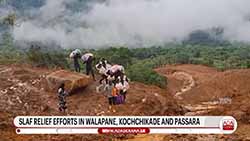
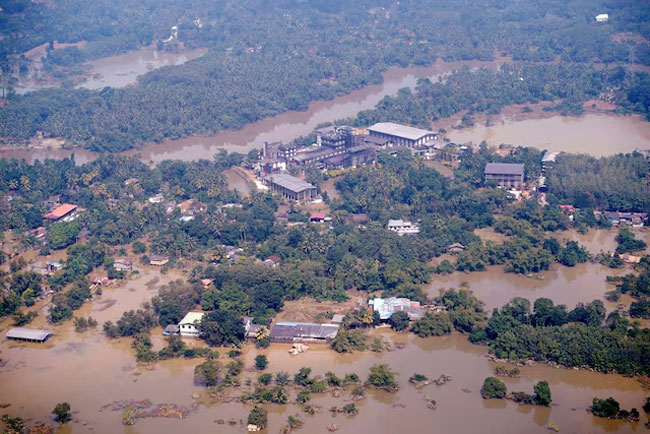
Sri Lanka was hit by floods and landslides caused by Tropical Cyclone Ditwah, with the death toll exceeding 600 and economic losses estimated at around $7 billion.
A team of researchers with the World Weather Attribution group said that during the most intensive five days of rainfall, sea surface temperatures in the North Indian Ocean were 0.2 degrees Celsius higher than the 1991-2020 average, packing the storms with additional heat and energy.
Without the 1.3C rise in global mean temperatures since the pre-industrial age, the sea surface in the area would have been around one degree colder in late November, they estimated.
Tropical storms are common during the monsoon season, and while scientists say there is no evidence that climate change has made them more frequent, they say higher sea temperatures are making individual events more destructive.
“What is not normal is the growing intensity of these storms and how they are affecting millions of people and claiming hundreds of lives,” said Sarah Kew, climate researcher at the Royal Netherlands Meteorological Institute and the study’s lead author.
Though the researchers were unable to determine the precise contribution made to the storms by climate change, they said the increase in extreme rainfall associated with the rise in global temperatures could amount to 9-50% in the Malacca Strait and 28-160% in Sri Lanka.
Scientists have also warned that more regions could be at risk from extreme weather as storms form in new areas and follow different trajectories.
Senyar’s formation in the Malacca Strait was considered particularly unusual, with some scientists saying it was only the second ever to make landfall in Malaysia from the west.
Source: Reuters
--Agencies