
Regions under level one and level two warnings are also susceptible to landslides - NBRO
December 15, 2025 03:23 pm
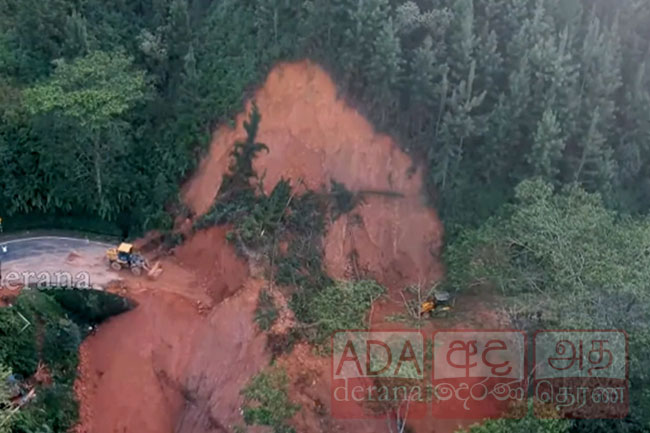
Landslides are a natural phenomenon that occur across the world due to factors such as rainfall, earthquakes, volcanic activity among others. However, in Sri Lanka, landslides occur primarily as a result of rainfall, according to Senior Geologist Dr. Wasantha Senadeera of the National Building Research Organisation (NBRO).
Dr. Senadeera stated that landslide warning notices are issued under three stages, namely Level One, Level Two, and Red Evacuation Notices.
Dr. Wasantha Senadeera noted that these warnings are categorized based on numerical values derived from recorded rainfall levels in the relevant areas.
He emphasized that the issuance of Red Notices does not imply that only those areas will experience landslides, as regions under Level One and Level Two warnings are also susceptible to landslides.
Dr. Senadeera stated that a landslide may occur at any warning stage once an alert has been issued, while areas under Red Notices face a higher risk of major landslides.
He added that while heavy rainfall can trigger large-scale landslides, areas under Level One and Level Two warnings may also experience failures of man-made slopes, including embankment collapses.
Dr. Wasantha Senadeera further stated that the issued warnings clearly advise the public to remain vigilant regarding embankment failures, rock falls and potential landslide-prone locations.
Senior Geologist Dr. Wasantha Senadeera noted that several identified landslide-prone areas, such as Galboda, Diyanilla, Weeriyapura, and Udapatha (in Bulathkohupitiya), experience landslides annually to varying degrees, and therefore urged the public to exercise heightened caution.