
Dollar near 10‑month high on Middle East escalation concerns
March 30, 2026 04:12 pm
The dollar was near a 10‑month high on Monday and heading for its biggest monthly gain since last July as mixed signals from Iran and the United States dimmed hopes of a possible quick end to the Middle East conflict.
U.S. President Donald Trump said that Iran’s new leaders have been “very reasonable”, as more U.S troops arrived in the region and Tehran warned it will not accept humiliation.
The yen hovered near the key 160 per dollar level, after hitting its weakest since July 2024 when Tokyo last intervened to shore up the currency, while the euro found some support from expectations of European Central Bank rate hikes.
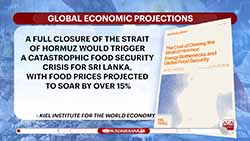
Markets have been rattled this month after the Iran conflict effectively shut the Strait of Hormuz, a chokepoint for about a fifth of global oil and gas flows, driving Brent crude toward a record monthly rise.
The dollar has benefited from its safe haven status since early March, with higher oil prices hurting Japan and the euro zone but insulating the United States as a net crude exporter.
The U.S. dollar index was roughly unchanged at 100.19. It hit 100.54 in mid-March, its highest level since May 2025, and was on track for its biggest monthly rise since July 2025.
Barclays said dollar sentiment was approaching “max bullish” levels on its index, according to traditional gauges including growth proxies, rate differentials and beta indicators.
“The playbook is to sell rallies in risk and maintain volatility hedges,” said Chris Weston, head of research at Pepperstone.
Markets will closely watch U.S. jobs data later in the week, which could affect expectations for the Federal Reserve policy path.
“In the eye of the storm, this week delivers a crucial run of U.S. labour market data,” said Bob Savage, head of markets macro strategy at BNY.
“Given the weak February jobs report and a month of conflict in the Middle East, we’re keen to learn how the jobs situation has responded,” he added.
ECB RATE OUTLOOK
The euro was around $1.15, on course for a 2.5% drop in March, its weakest monthly decline since July.
“In recent days, as the oil price resumed its upward trend and the dollar gained ground across the board, the euro/dollar would have fallen much more sharply if the market did not anticipate such an activist ECB,” said Thu Lan Nguyen, head of forex and commodity research at Commerzbank.
“As long as this picture remains intact, the downside potential for the euro/dollar is likely to remain limited,” she added.
Markets priced in the ECB rate hikes by year-end from an over 50% chance of a cut before the conflict started.
YEN STILL NEAR INTERVENTION LEVELS
The Japanese yen firmed 0.40% to 159.65 per dollar after hitting 160.47 in the Asian session, its weakest level since July 2024.
The reversal came as Japan geared up its threat of yen intervention and signalled that further falls in the currency could justify a near-term interest rate hike. The yen has dropped over 2% in March on higher oil price worries.
In other currencies, the Australian dollar was 0.3% weaker at $0.6851, on course for a monthly drop of 3.8%, its steepest decline since December 2024. The New Zealand dollar weakened 0.4% to $0.57275, down 4.4% in March.
Source: Reuters
--Agencies