







The Public Utilities Commission of Sri Lanka (PUCSL) has approved new feed-in tariffs for electricity generated from renewable energy sources, with the revised rates coming into effect from tomorrow (25).
The new tariffs will remain valid until February 24, 2027, and apply to renewable energy power plants, rooftop solar prosumers and projects incorporating Battery Energy Storage Systems (BESS), the PUCSL noted.
The tariff methodology was approved under Section 29 of the Sri Lanka Electricity Act No. 36 of 2024.
The new tariff structure covers mini-hydro, wind, biomass, municipal solid waste, waste heat recovery, ground-mounted solar PV and floating solar PV projects.
Under the approved rates, the non-escalable component of the tariff has been set at Rs. 30.37 per unit for mini-hydro, Rs. 20.80 for wind, Rs. 16.43 for dendro biomass, Rs. 14.29 for agricultural/industrial waste biomass, Rs. 41.72 for municipal solid waste, Rs. 14.29 for waste heat recovery, Rs. 18 for ground-mounted solar PV and Rs. 23.58 for floating solar PV.
Higher tariffs for solar-plus-storage
The new framework also introduces tariffs for renewable energy projects combined with battery storage, with higher payments available during the prioritised feed-in period.
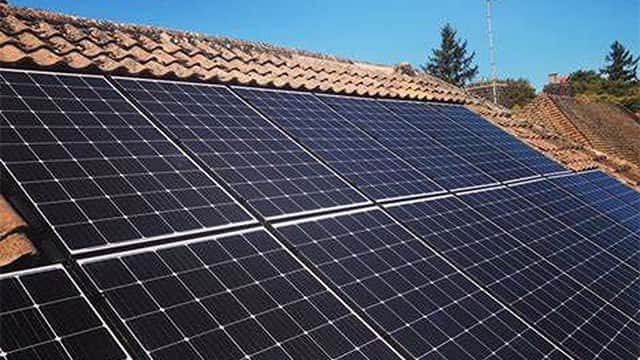
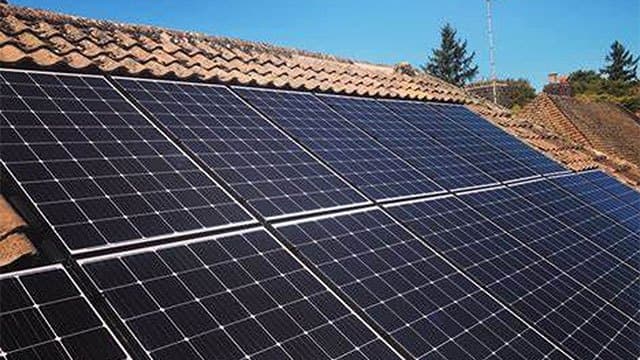
For new rooftop solar PV systems, the feed-in tariff ranges from Rs. 23.11 per unit for systems up to 10kW to Rs. 15.81 per unit for systems above 250kW.
New rooftop solar PV systems combined with BESS will receive Rs. 45.53 per unit during the first 15 years for systems above 250kW and up to 1,000kW during the prioritised period. The corresponding rate for systems above 1,000kW is Rs. 42.49 per unit.
Separate feed-in tariffs have also been approved for ground-mounted and floating solar PV plants equipped with BESS.
450MW solar and BESS target
As part of the tariff decision, the National System Operator (NSO) has been directed to ensure that at least 450MW of solar PV with BESS capacity is added to the electricity system by March 2027.
The measure is intended to address the forecast capacity deficit during the first quarter of 2027 and ensure sufficient capacity to meet peak demand without scheduled power interruptions resulting from capacity shortages.
The NSO has also been directed to ensure that the per-unit cost of the already offered 160MW of BESS does not exceed Rs. 20 per kWh on a monthly average basis. Any amount above this threshold will not be recognised, recovered or allowed under the end-user electricity tariff.
PUCSL said the feed-in tariff methodology was developed following a public consultation process, with stakeholder comments and cost data taken into consideration before the tariffs were finalised.
The Commission's renewable energy framework covers technologies including solar, wind, hydro and biomass, with Sri Lanka seeking to expand renewable generation capacity as part of its longer-term energy transition, the PUCSL said in a statement.