

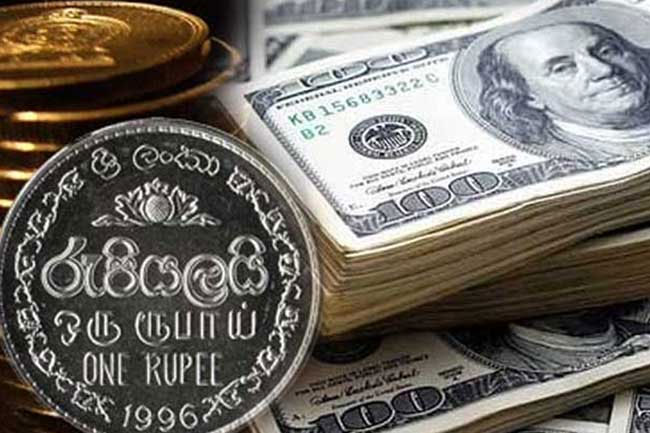
Sri Lankan Rupee weakens further as US Dollar hits highest level since Dec. 2023
May 14, 2026 07:39 pm
The Sri Lankan Rupee came under further pressure today as the selling rate of the US Dollar rose to Rs. 329.92, marking the highest recorded rate since December 27, 2023.
According to exchange rate data released by the Central Bank of Sri Lanka (CBSL), the Rupee has depreciated by 3.6% against the US Dollar during the period from January 1 to May 8, 2026.
The US Dollar had remained fixed at Rs. 202.99 until March 7, 2022. However, following the decision to float the rupee on March 8, 2022, the exchange rate rose sharply, eventually reaching Rs. 377.49 by May 12, 2022.
Subsequent policy measures introduced by the Central Bank helped stabilize the currency, with the dollar rate easing to Rs. 328.77 by the end of 2023. The lowest selling rate recorded thereafter was Rs. 294.49 on December 13, 2024.
Despite that recovery, the rupee has once again weakened in recent months amid growing global economic uncertainty and increased demand for US dollars.
Commenting on the situation, the Governor of the Central Bank, Dr. Nandalal Weerasinghe said exchange rate adjustments under Sri Lanka’s monetary policy framework were a normal occurrence.
He stated that the current depreciation was largely driven by external factors, including the strengthening of the US dollar globally and the weakening of several regional currencies.
The Governor pointed out that currencies in countries such as India, the Philippines, and Thailand had also come under pressure despite interventions by their respective central banks.
Economic analysts at the Advocata Institute said the ongoing conflict in the Middle East had contributed to rising demand for US dollars, placing additional strain on the rupee.
The institute further noted that instability in global crude oil markets and rising shipping costs had intensified the pressure on the exchange rate.
According to analysts, continued depreciation of the rupee is likely to increase import costs while potentially boosting export earnings. However, they warned that a weaker rupee could adversely affect Sri Lanka’s foreign debt repayment burden.